
Mr. Darcy’s Pemberley estate. Sherlock Holmes’ family home. Dragonstone Castle. The London Stock Exchange. All of these settings, fictional or otherwise, were created in Wales, a destination that has seen a huge boom in television production over the last few years. And while many of the series are UK productions, American TV studios are also taking advantage of the many landscapes and soundstages found in Wales.
“It’s becoming a creative advantage to shoot in Wales,” says Jon Farrar, chief content officer, direct to consumer, for BritBox parent company BBC Studios. “It has a strong production ecosystem and it’s become a creative hub with world-class crews, facilities and creative talent. For BritBox, what’s exciting about Wales is the sense of place as a differentiator. What our viewers are coming to us for is to discover bits of the UK that they don’t really know. What I love about Wales is that visually, culturally and tonally it’s all fresh.”
BritBox released “The Other Bennet Sister,” a co-production with the BBC, in May. The 10-episode limited series used a number of locations around Wales to stand in for England, including Merthyr Mawr House, Dyffryn Gardens and Bannau Brycheiniog (formerly known as Brecon Beacons). Crime series “Death Valley,” which stars Timothy Spall and will air its second season in 2026, also filmed in Bannau Brycheiniog.
“That gives it a different flavor to a lot of our cozy crime series,” Farrar says. “There’s a very distinctive sense of place. I am really keen to get more stories told outside of London into the corners of the British Isles, including Wales. That is absolutely part of our commissioning strategy.”
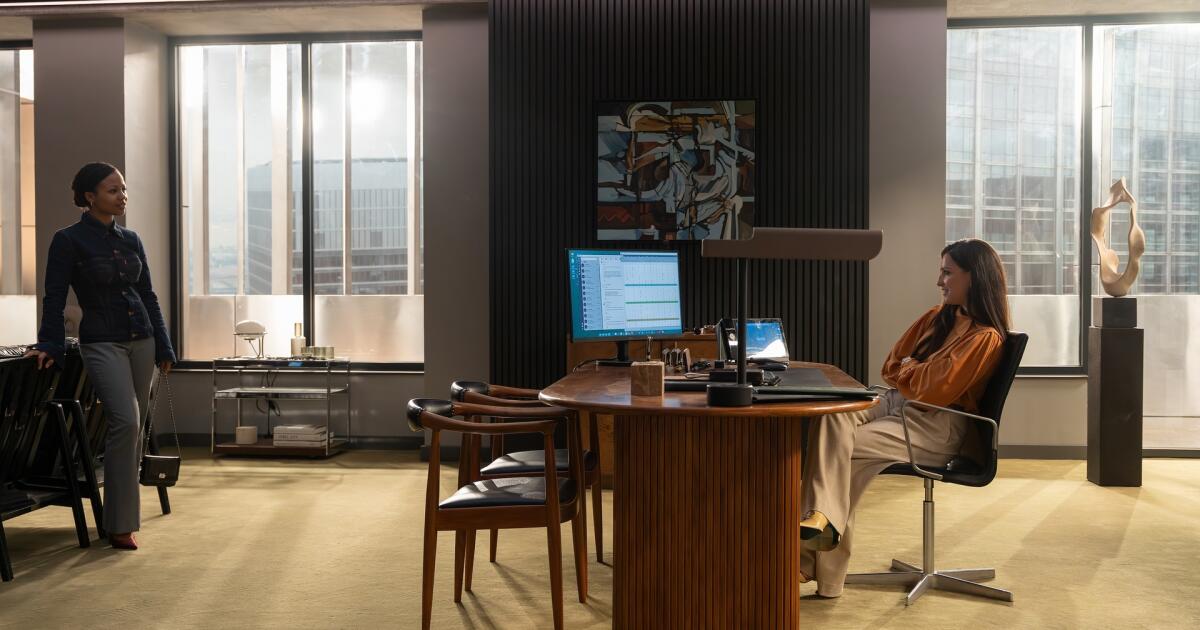
Wales sometimes plays itself, like in British comedy “Gavin & Stacey,” which was filmed in Barry, or detective thriller “Under Salt Marsh,” which shot in Anglesey and Gwynedd. BritBox’s “Mudtown” was filmed in the industrial area of Newport. Wales’ dramatic mountains and seasides can stand in as fantastical locations, like in “House of the Dragon” or “His Dark Materials.” But often Wales is a viable alternative to London. HBO drama “Industry,” produced by Cardiff-based company Bad Wolf, has shot in Wales since Season 1. The series uses Bad Wolf’s stages, as well as locations in and around Cardiff.
“We actually do very little in London,” says Bad Wolf’s director of production Kate Crowther, who is originally from Wales. “We’ll do somewhere between two and six days across a whole season. We always like to do a little pop to get something that is recognizable, but we do as much as we possibly can in Wales. We occasionally hop over to Bristol if we need a different look.”
BritBox’s “The Other Bennet Sister” is also among a bumper crop of TV series now filming in Wales.
(James Pardon / BritBox)
Much of the credit for Wales’ production boom goes to Bad Wolf, founded by producer Jane Tranter. While working at the BBC, Tranter was responsible for resurrecting sci-fi show “Doctor Who.” She decided to make it out of Wales. In 2015, Tranter established Bad Wolf, headquartering the company in Cardiff, where they now have seven soundstages.
“We had a great crew already in Wales from the time of ‘Doctor Who,’” Crowther says. “But the more productions we’ve had shooting there and the more big world-building we’ve done, the greater skills and crews we’ve been able to grow. We don’t have to ship entire crews in — we have them in Wales. That’s appealing to people coming in. The fact that there’s this thriving industry in Wales now is incredible.”
The Welsh government has been eager to support the productions. In 2020, the government launched Creative Wales, an economic development agency that supports the creative sectors, including film, TV and, more recently, games. Since its inception, Creative Wales has provided production support funding to 81 productions and the resulting economic spending has been nearly half a billion pounds.
“We were conscious as a government that the creative industries [were] a huge part of the economy for Wales, but it was also an area where we could grow in the future,” says Jack Sargeant, who was minister for culture, skills and social partnership in Wales from October 2024 through April 2026. “We’re a nation of storytellers. This is a really exciting industry for us to be in, and we see this as not just supporting the creative industries in a silo but actually supporting arts and culture and our unique Welsh heritage in Wales as well.”
One of the productions that benefited from the funding is Guy Ritchie’s “Young Sherlock,” released on Prime Video in March. Showrunner Matthew Parkhill says the decision to base the series in Wales was because of “money, originally.” “But then what we got out of it was so much more,” he says. “We got great crews and we got access to incredible locations.”
He points out that many of the shooting locations available in and around London are oversaturated because of the sheer amount of shows and films being made there. In Wales, the series could showcase new places, like Llanvihangel Court, which became the Holmes family’s historic countryside manor. “It’s nice to go somewhere where you feel you’re exploring it for the first time on camera,” Parkhill says. “So what started as a financial decision became a real value-add creatively.”
Even nonfiction shows are benefiting Wales. Rob McElhenney and Ryan Reynolds’ documentary series “Welcome to Wrexham,” about the city’s soccer club, is leading to “real growth” in the area, Sargeant says — and has just been renewed by FX through 2029. The vision of Creative Wales is to shepherd storytelling in Wales, as well as about Wales, in whatever form it may take. “We see the creative industries as being a way to put Wales on that global stage once again,” he says. “What’s happening here right now is really exciting.”