
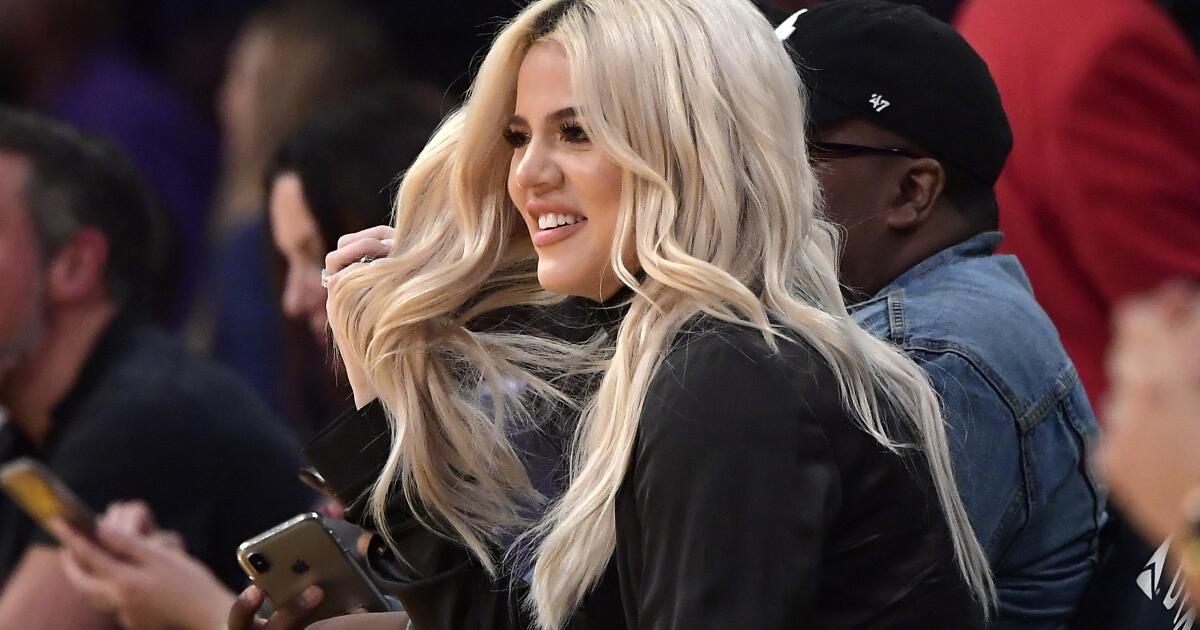
It’s a club so coveted that even Khloé Kardashian wanted in: the Starbucks snack case.
Since her Khloud protein popcorn arrived in January at Starbucks, the kettle corn flavor featured there has surged in popularity at other retailers. Sales of the variety nearly doubled on Amazon.com in the following month, the company said, and performance also picked up in Target stores. Khloud has now added another flavor, white cheddar, to Starbucks shelves.
Call it the Starbucks effect: Buzzy snack makers want the visibility that comes from being in more than 10,000 US locations. The stores’ very limited shelf space is an added bonus, making an endorsement from the world’s largest coffee chain the ultimate marketing hack.
“What Starbucks has done for the company cannot be understated,” Khloud Inc. Chief Executive Officer Jeff Rubenstein said in an interview.
It’s not just Kardashian’s popcorn. Multiple brands, including Mush overnight oats and That’s It fruit bars, report getting a broader boost.
“If you’ve gotten your brand into Starbucks, it’s a stamp of approval in a way,” said Ashley Thompson, co-founder and CEO of Mush. She’s seen sales improve elsewhere since arriving in April: “Other retail partners look to see what Starbucks is doing.”
Nichole Bain, a 43-year-old federal employee in Alexandria, Virginia, tried Khloud popcorn for the first time at a Starbucks near her office. She said it’s now “one of my go-to snacks.”
“I liked it so much, I wanted to try the other flavors,” Bain said, adding she bought larger bags from Amazon.
Turnaround Efforts
For Starbucks, the snacks are part of its mission to recapture sales growth with faster service and sought-after menu items. Snack brands provide variety without adding to baristas’ workflow and complement prepared food options with on-trend alternatives like fiber-rich oats and high-protein yogurt.
Along with a recently relaunched lineup of fruity refreshers, the products are meant to attract more workers and teenagers during the slower afternoon hours — a time of day that’s long been challenging for the company. It’s betting the snacks will be more appealing than pastries or sandwiches when it comes to countering the 3 p.m. energy slump.
Those customers are “probably not looking for a packaged meal from us, but they might want a bag of popcorn,” said Dana Pellicano, Starbucks’ senior vice president of global product experience. In addition to Mush overnight oats, Starbucks recently added SkinnyDipped dark chocolate coconut almond bites.
The company sometimes turns to third parties when making products in-store is too complicated. It used to offer parfaits, Pellicano said, but it took too long for baristas to assemble the yogurt, fruit and granola. “We’re not a yogurt company,” she said. Instead, Starbucks added Ellenos yogurt to its lineup earlier this year.
Brands that make a good fit usually offer a premium edge or a trendy health feature. Prebiotic soda Poppi, which PepsiCo Inc. bought last year for $2 billion, and Sol-ti pressed juices have been popular lately, Pellicano said.
Starbucks tests potential products extensively for taste. “I think I tried every single” flavor of Mush, Pellicano said. “The team really felt strongly about the chocolate peanut butter. I was team apple cinnamon.” Starbucks ultimately went with the chocolate peanut butter option. The flavors might rotate based on the seasons, she said.
The coffee chain usually only stocks one or two varieties of a product to avoid resemblance to a convenience store aisle. Products tend to stay as long as they meet their targets, which means there’s stiff competition for any available slot. Starbucks normally carries about 30 items that are ready to eat or drink.
Kaitee DeVilling, a business owner in Kansas City, said she discovered the Peter Rabbit brand of organic baby food pouches at Starbucks. She now buys them for her twins at other retailers as well.
“I feel like if Starbucks is carrying it, it’s already something that’s well loved and popular,” DeVilling said.
Not all products are hits, but brands that manage to stick around can reap the benefit for years. One example is That’s It, a fruit snacks company that has had two bars in Starbucks since 2014. CEO Lior Lewensztain said going to Starbucks created a clear benefit across the market.
“We constantly get people writing into us and saying, ‘I found you at Starbucks.’ Or at a trade show: ‘You’re that bar at Starbucks,’” he said.
The snacks often sell at a premium at Starbucks compared with other retailers. For example, Mush sells for about $3.75 at most of the chain’s locations and generally costs about $2.49 elsewhere. Starbucks doesn’t assess slotting fees, which are payments some retailers charge brands to get their products on the shelf.
Starbucks said it asks for fair prices and sets a ceiling so customers aren’t tempted to buy the snacks elsewhere. “If we price it too high, we know you’re gonna run down across the street and grab it,” Pellicano said. The bet is that customers will value the convenience of being able to grab the snack directly with their coffee, even if it costs more.
Bryn Grossman, a dietitian and Starbucks customer who lives in Chicago, said the Mush oats are “a really good option.” The product is cheaper than a sandwich and is “probably one of the better options to have like a grab-and-go with in terms of health,” she said.
Rubenstein, who as a top executive helped turn Poppi into a breakout prebiotic soda brand, says he sells Khloud at a lower price to Starbucks than to other retailers. In his view, it’s worth it.
“It’s highly visible,” he said. “As a trial driver, it’s literally the best customer I’ve ever worked with.”
Sirtori and Peterson write for Bloomberg.